
Not every collection consists of coins or jewellery. Sometimes you inherit a bookcase full of books, a pile of LPs, years of a magazine, a box of CDs, a sticker album or hundreds of sugar packets. A collection like that often says a lot about someone. The question is: what do you do with it? This article explains how to approach it. The general steps are in Inheriting a collection.
Usually little money, sometimes a standout
With collections like these, the value per item is usually low. They were made in large numbers and many people kept them. But there can be standouts among them, and you don’t want to take those to a charity shop by accident.
What to look out for:
- Books: first editions, signed copies, old or rare editions, books with a dedication from the author.
- LPs and singles: first pressings, rare releases, records in a good sleeve and without scratches.
- CDs: mainly limited or early releases. Most CDs are worth little.
- Magazines and comics: complete years, first issues, good condition.
- Stickers, cards and sugar packets: complete albums and series, or special pieces a collector is missing.
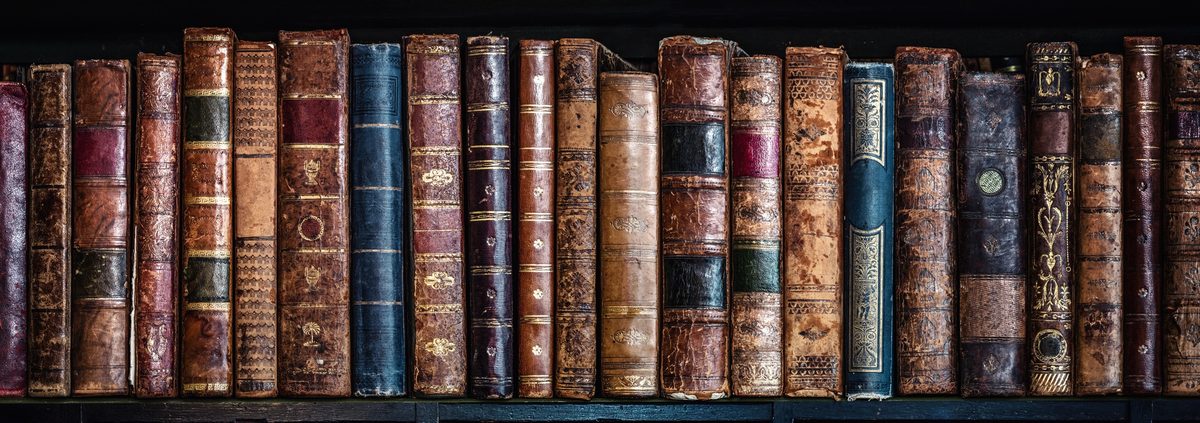
Complete and in good condition
With all these collections, two things count most: completeness and condition. A complete run is often worth more than the separate parts together. And a sleeve without tears or a book with its dust jacket makes a big difference.
So do the following:
- Keep runs together and don’t break up albums.
- Keep sleeves, boxes and dust jackets, even if they look empty.
- Store dry and out of the sun. Damp and light are the biggest enemies of paper and vinyl.
- Don’t repair things yourself with tape or glue.

Tip: In AgAurium, create one item per box or cupboard with a few photos and a short list in the notes. You have an overview in an afternoon, without entering everything separately. Try AgAurium for free →
Find out what there is
You don’t have to research everything. Start with a quick round: what stands out, what is old, what is signed, what looks special? For those items, look at prices that comparable items actually sold for, not asking prices. For the rest, an estimate per box is often enough.
If there is something special, ask a specialist dealer (an antiquarian bookseller, a record shop with a second-hand section or a comic shop) or a collectors’ club. Collectors often know exactly what is missing from their own collection.
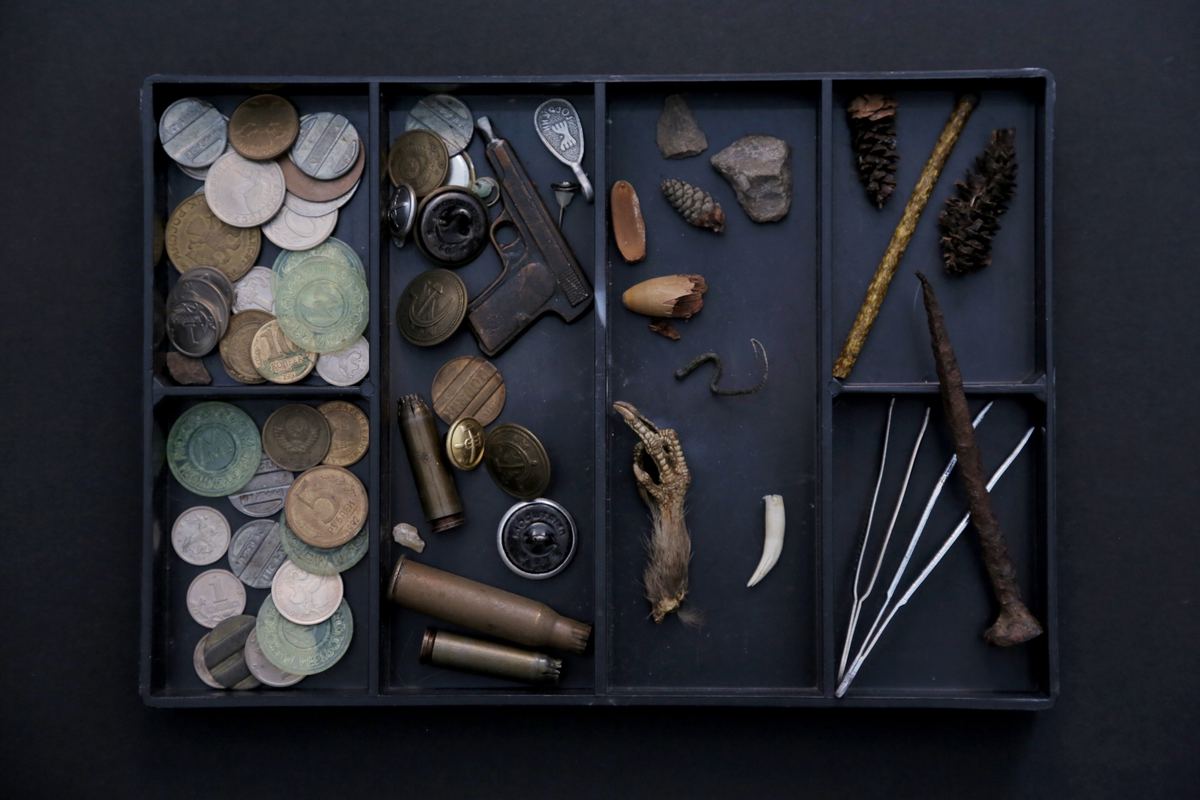
A good home
If a collection mainly has sentimental value, there is no rush. But discuss it with the executor and the other beneficiaries first, and don’t give anything away before the estate is settled.
Other options:
- make a collector or club happy with the whole lot;
- ask a library, archive or museum whether they are interested, for example in local magazines or special books;
- keep one nice piece as a memento and find a new owner for the rest.
Recording it in AgAurium
At AgAurium the app is made for coins, bars, banknotes, stamps and jewellery. But there is also a Collectible object type, and with it you can record a collection like this roughly: create one item per box or cupboard, with a few photos and a short description in the notes. Record the special items separately. That gives you an overview for sharing out, without days of work.
Keep track of your collection with AgAurium
Coins, bars, banknotes, stamps and jewellery in one overview, with photos, live metal prices and proofs of purchase. Free, without ads, in English, Dutch, German, French and Spanish. Your data stays yours.