
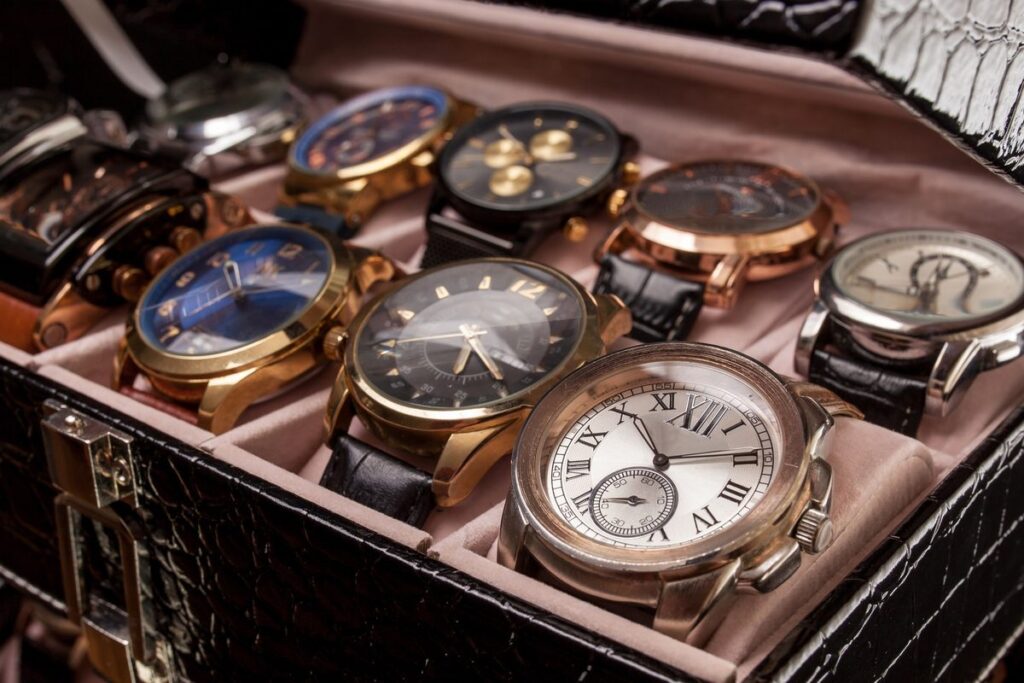
Inheriting a watch: box, papers and servicing
A watch is often the most personal item in an estate. Here is how to find out what it is, how to keep the box and papers together, and how to avoid well-meant servicing costing value.
Inherited a collection? Step-by-step guides for coins, banknotes, stamps, silverware, jewellery, watches, gemstones and other collections.
A watch is often the most personal item in an estate. Here is how to find out what it is, how to keep the box and papers together, and how to avoid well-meant servicing costing value.
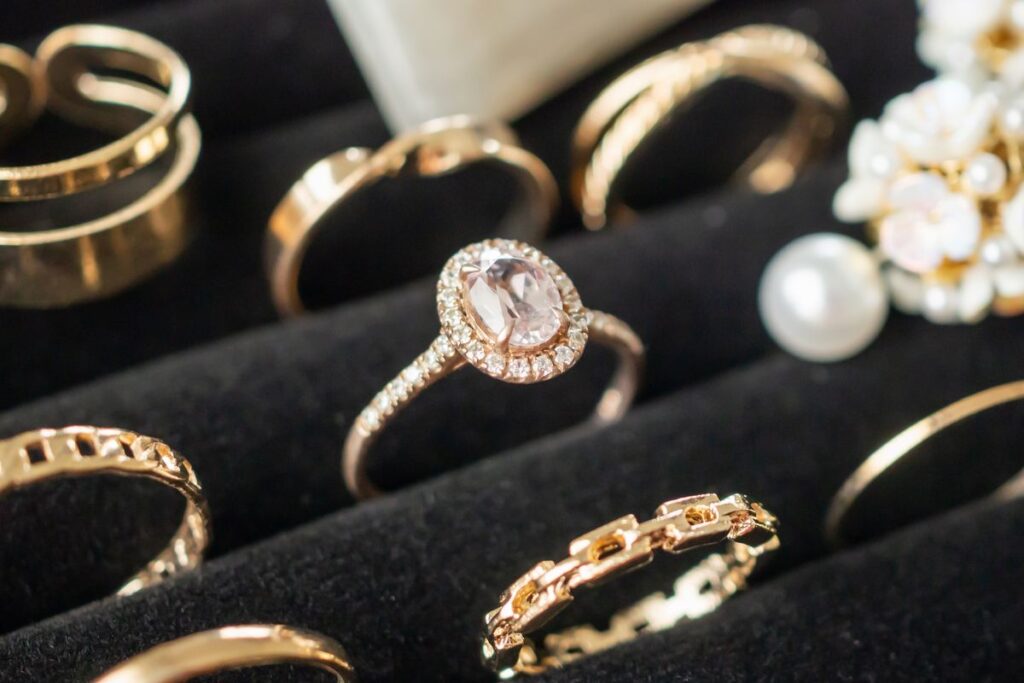
A stone that sparkles is not necessarily valuable. With inherited gemstones, the type, origin, treatments and a certificate determine the value. Here is how to find out.
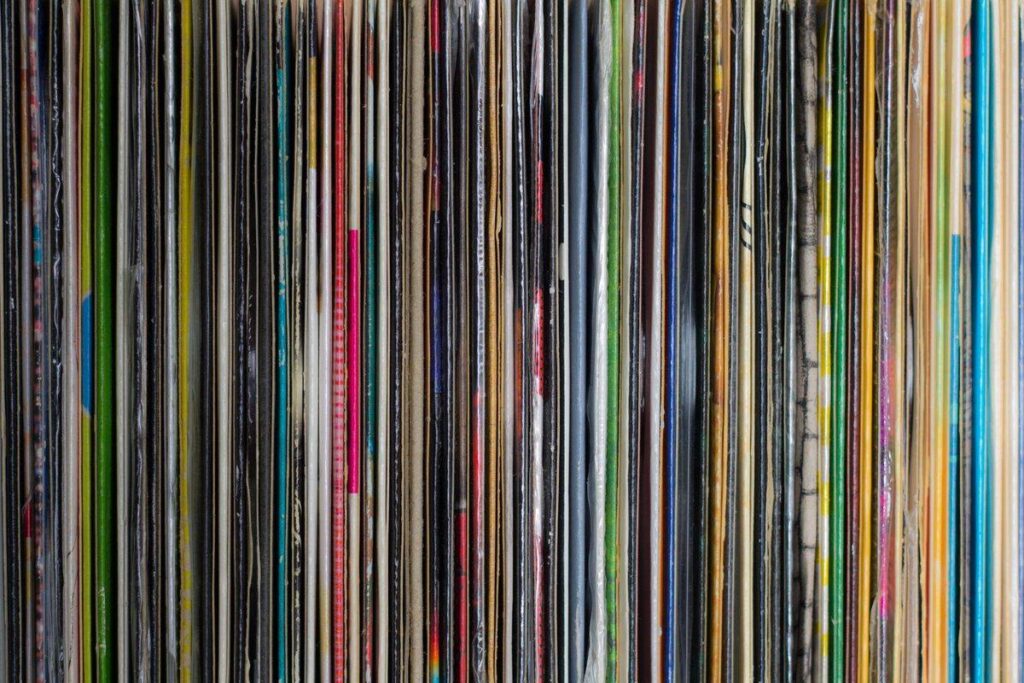
Not every collection is gold or silver. A cupboard full of books, LPs, comics or sugar packets can mean a lot and sometimes be worth something too. Here is how to approach it.
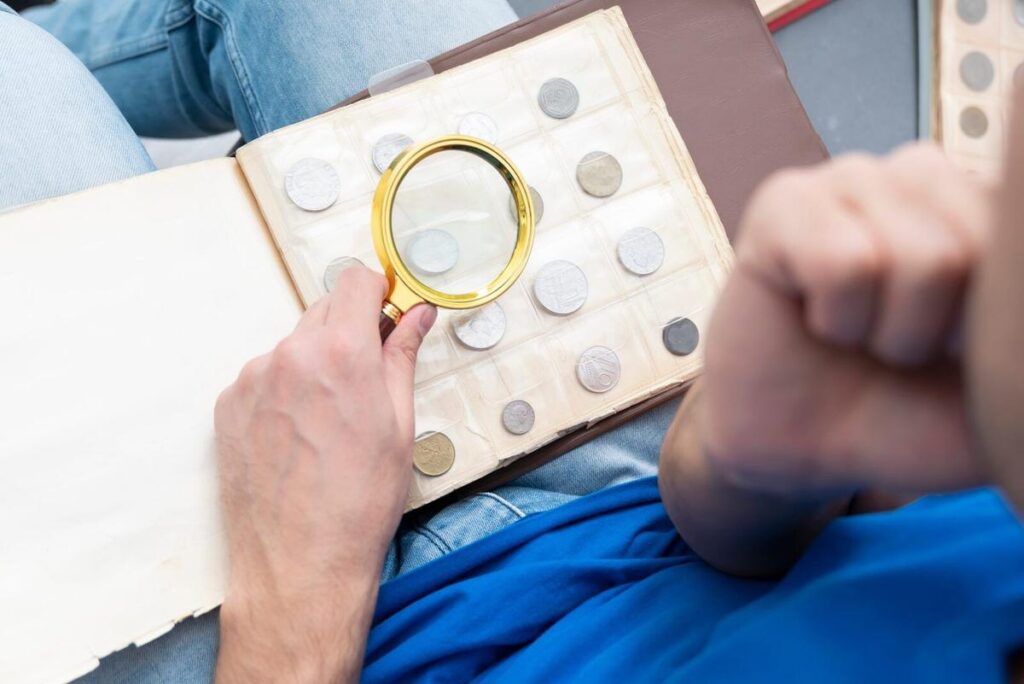
You have inherited coins, stamps, jewellery or another collection. What do you do first, what is better left for now, and how do you find out what it is worth? A calm, step-by-step guide.
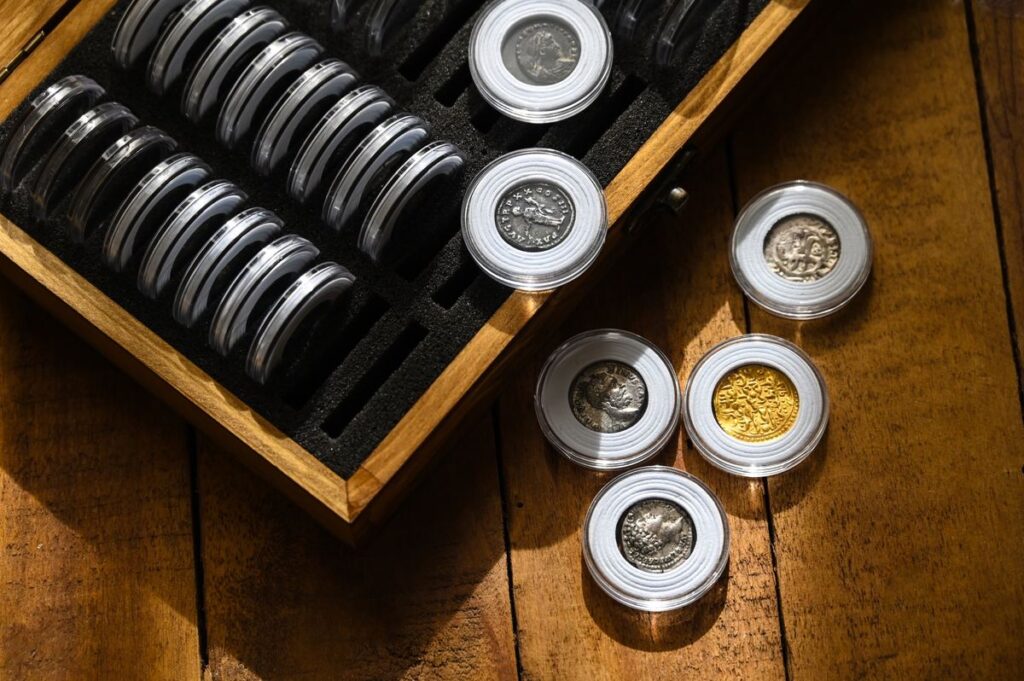
Inheriting a coin collection raises questions. What is metal value, what is collector value, and what do you do with old currency? Here is how to approach it without losing value.

Inherited a pile of old notes or foreign currency? Some can still be exchanged, others cannot. And sometimes a note is worth more to a collector than the bank will give you for it.
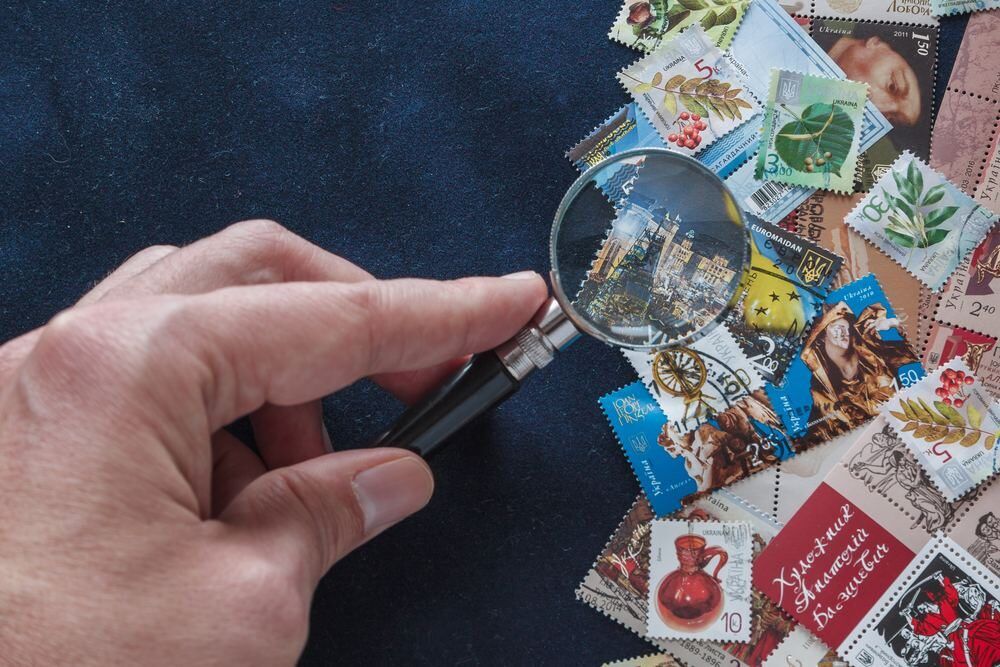
Inherited albums full of stamps? Often the collection is worth less than the catalogue suggests, but sometimes there is something special in it. Here is how to find out, and how to avoid throwing value away.
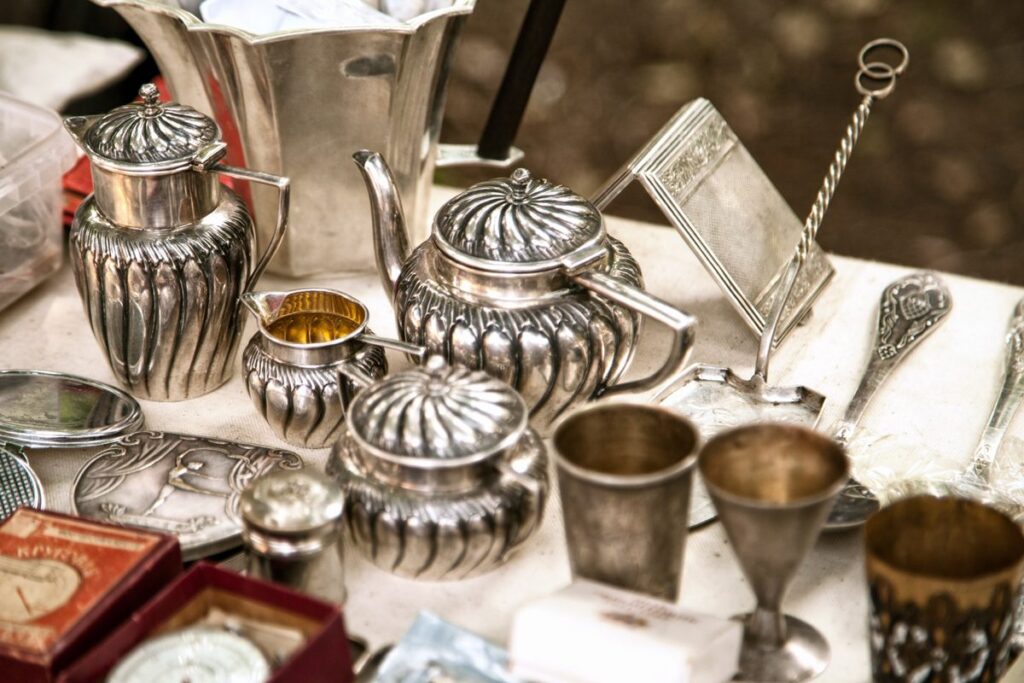
Cutlery, a teapot, rings and necklaces: silverware and jewellery are often the hardest things to share out. Here is how to read the hallmarks, how to find the value and how to avoid polishing value away.