
Most coin collections start close to home. A commemorative 50p in your change, a tin of old pennies from a relative or a first silver coin as a present. Before you know it, you want more. In this article you will read how to choose a direction and where to buy coins and bullion in the UK.
Collecting or precious metal?
Start by asking yourself what you are after, because that decides where you buy and what you pay.
| Collecting | Precious metal | |
|---|---|---|
| Examples | Pre-decimal coins, hammered coins, proof sets, commemoratives | Bullion sovereigns, Britannias, gold and silver bars |
| Value mainly from | Rarity, demand and condition | The metal and the spot price |
| Where to buy | Coin dealers, fairs, auctions, societies | Bullion dealers, The Royal Mint |
Many collectors combine the two. You can read more about the difference and about premiums in Getting started with collecting.
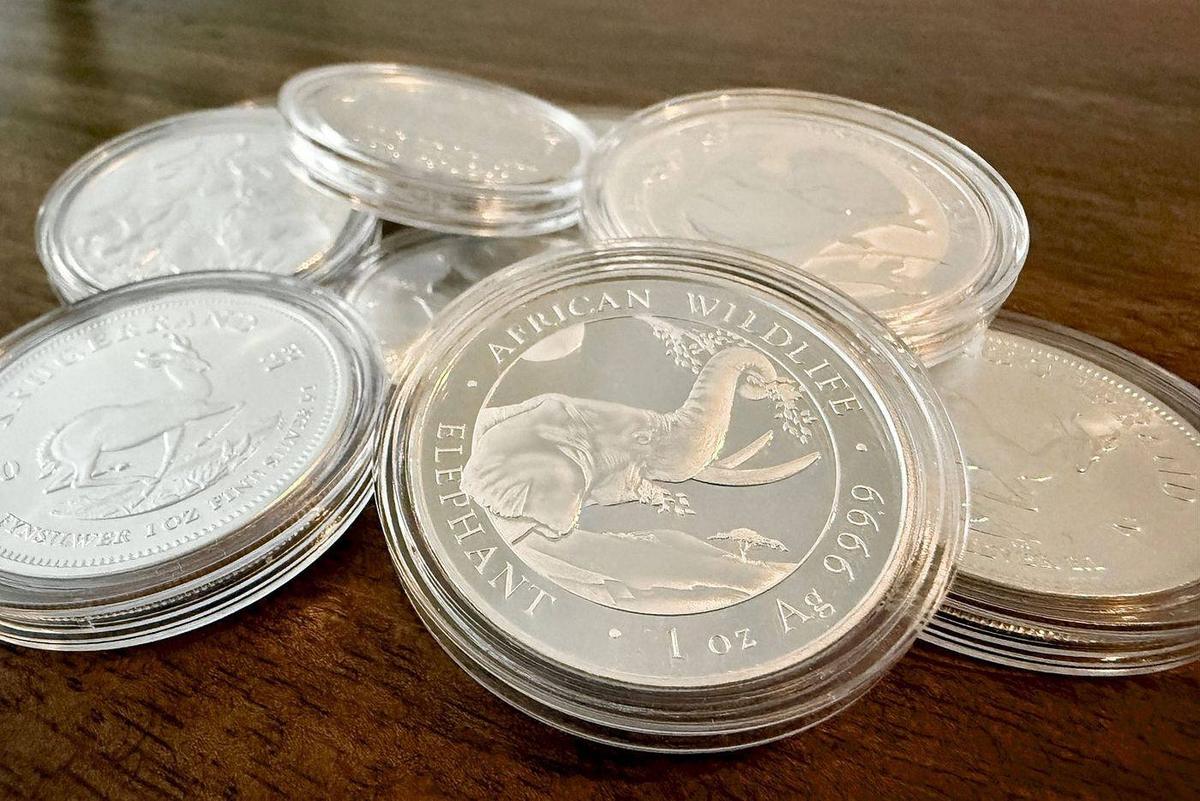
Choose a direction
A few ideas to get you going:
- Decimal coins: the circulating 50p and £2 designs are a cheap and popular start.
- Pre-decimal coins: pennies, threepences, shillings and florins, for example one coin for every year of a reign.
- Hammered and early milled coins: older and more expensive, but full of history.
- Gold and silver: sovereigns, half sovereigns and Britannias, also from different years.
A coin from the year you were born, or from the birth year of a child, makes a good first purchase. That way a collection starts with a story.
The Royal Mint
The Royal Mint in Llantrisant, Wales, makes the UK’s coins. In its online shop you can buy commemorative and collectable coins, often in a proof or brilliant uncirculated finish. It also sells bullion, such as gold and silver Britannias and sovereigns.
Bear in mind that collector editions are priced well above their face value and metal value. You only get that premium back if there is demand for the coin later on.
Coin dealers
A regular dealer is the best place to learn and to buy with some peace of mind. Many dealers in the UK and Ireland are members of the British Numismatic Trade Association (BNTA). Members agree to follow the BNTA’s Code of Ethics, and the association publishes a membership directory listing members by county, with their specialities and whether they have a shop.
A good dealer will tell you honestly what a coin is and why it costs what it does.
Bullion dealers
For bullion coins and bars you can go to The Royal Mint or to a bullion dealer. Compare not just the price per coin but also:
- The premium over the spot price.
- The buy-back price. What will the dealer pay you if you sell?
- Delivery and storage costs.
For bars, many collectors choose refiners on the Good Delivery List of the LBMA. You can read more about fine weight and purity in Calculating fine weight, fineness and karat.
Tax: VAT and Capital Gains Tax
Two points that often come up with gold and silver in the UK:
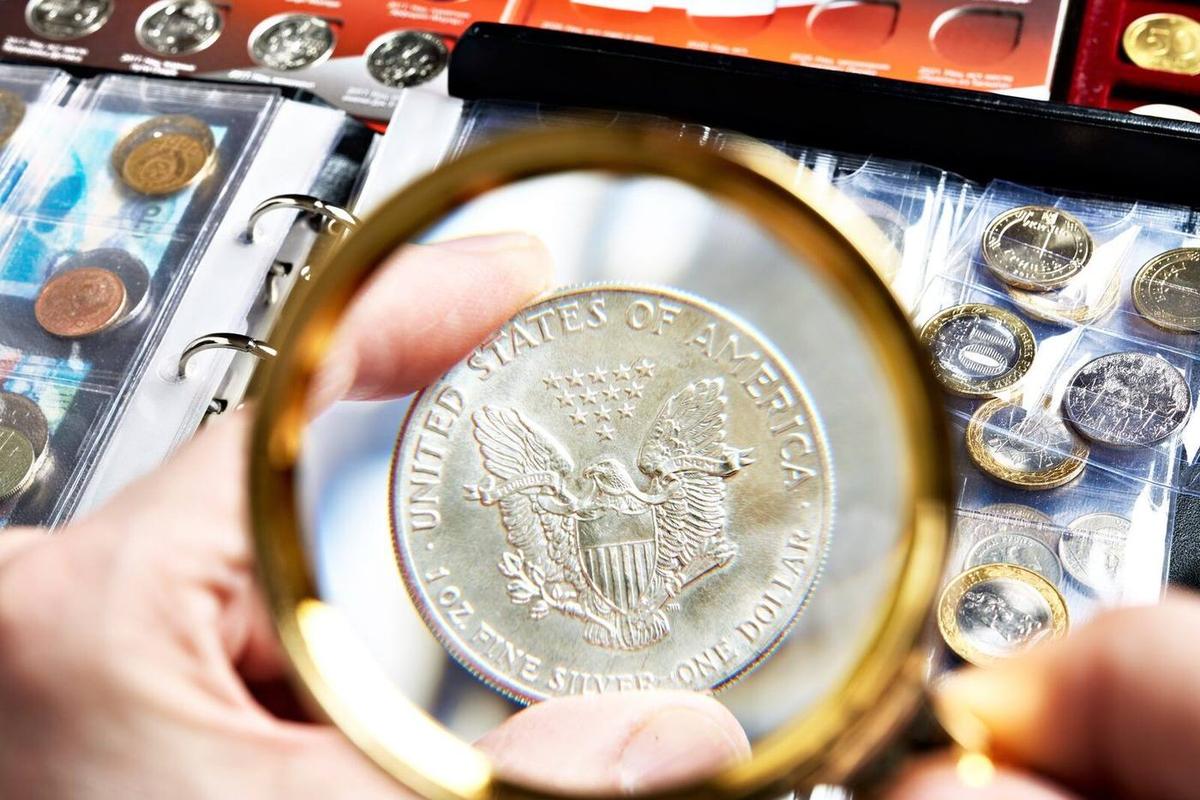
- VAT. Gold coins and bars that qualify as investment gold are exempt from VAT. On silver bullion coins you usually pay VAT. The Royal Mint, for example, states that its gold bullion is VAT free for private individuals and that VAT is charged on silver bullion coins.
- Capital Gains Tax. HMRC’s Capital Gains Manual says that coins which are sterling currency are not chargeable assets. Because sovereigns and Britannias are UK legal tender, they are often described as free of Capital Gains Tax for UK individuals. Other coins and collections can fall under the rules for personal possessions, explained on GOV.UK.
Tax rules can change and depend on your circumstances, so check your own situation with HMRC or an adviser.
Tip: Record the price you paid for every coin in AgAurium, and put the Spink number and the seller in the notes. For sovereigns, Britannias and other gold and silver coins you also see the current metal value straight away. Try AgAurium for free →
Fairs
At a coin fair you see a lot of coins in one place and can compare prices and condition. The best known is Coinex, the international coin fair organised by the BNTA in London. Details are on the BNTA website. There are also smaller regional fairs and fairs run by local societies.
Take a loupe, a list of what you are looking for and a budget. You can read what else is useful in Tools for collectors.
Auctions
At coin auctions you will find single better coins as well as whole collections and mixed lots. Before you bid:
- Include the buyer’s premium. It is added on top of your hammer price.
- Read the condition description and look at the photos. Many auction houses let you view the lots beforehand.
Societies
At a society you meet other collectors, hear talks and can often buy or swap coins. The British Numismatic Society, founded in 1903, focuses on the coins, tokens, banknotes and medals of the British Isles and publishes the *British Numismatic Journal*. The Royal Numismatic Society, founded in 1836, covers coins from all periods and places and publishes the *Numismatic Chronicle*. Its meetings are open to all.
Many towns also have a local coin club. Ask a dealer or other collectors at a fair which club meets near you.
Online marketplaces
You can find plenty of coins on online marketplaces and auction sites. There are good coins on offer, but also fakes, cleaned coins and exaggerated condition descriptions. A few rules of thumb:
- Ask for sharp photos of both sides and the edge.
- Be wary of gold and silver offered well below the market price.
- For expensive coins, buy from an established dealer or a reputable auction house.
You can read how to check gold and silver in Real or fake? Simple checks for gold and silver.
The catalogue
The standard reference for British coins is *Coins of England and the United Kingdom*, published every year by Spink. It covers the coins that circulated in the British Isles from ancient times to current Royal Mint issues, with guide prices by condition. Each coin has a Spink number, which dealers and auction houses often quote. Remember that the prices are guides, not offers.
What to avoid
- Cleaning or polishing coins. A cleaned coin is almost always worth less.
- Buying expensive coins without knowledge. First learn what a fair price and a fair grade are.
- Overpaying for “limited editions”. A low mintage does not automatically mean high demand.
- Keeping no records. After a few years you no longer know what you paid or where a coin came from.
You can read how to assess condition in Grading condition.
How AgAurium helps
In AgAurium you record each coin with its country, year, denomination, metal, condition and a photo of both sides. In the notes you can add the Spink number or the auction lot. For well-known coins such as sovereigns and Britannias, the catalogue fills in the weight, fineness and dimensions as soon as you type part of the name, and for gold and silver you see the current value and your gain or loss.
You can also store the invoice and note where each coin is kept, for example “tray 3, row 2”. That is useful for your insurance and for anyone who inherits your collection.
AgAurium is free and ad-free. It is made possible by donations from its users.
Keep track of your collection with AgAurium
Coins, bars, banknotes, stamps and jewellery in one overview, with photos, live metal prices and proofs of purchase. Free, without ads, in English, Dutch and German. Your data stays yours.