
Many collections start by chance. A foreign coin in your change, an album of stamps from a relative, a first silver coin as a present. And then you want more. That is the joy of collecting: there is always something new to discover. But without a direction, you soon end up buying a bit of everything, and sometimes paying more than you need to. With these tips you get off to a good start.
Choose a theme
You don’t need a strict plan straight away, but a theme helps. It makes searching more fun, you learn faster and your collection stays clearer. A few examples:
- A country: the coins or banknotes of the Netherlands, or the stamps of a country you have a connection with.
- A period: for example the Dutch guilder, the reign of a particular king or queen, or the year you were born.
- A metal: only silver coins, or bullion coins from different countries.
- A subject: animals, ships, sport or space travel on coins, banknotes or stamps.
Your theme is allowed to change. Many collectors start broad and after a while become fascinated by one particular area.
Investing or collecting?
With coins and precious metals, it is important to know what you are buying, because the value comes about in a completely different way.
| Bullion coins and bars | Collector coins | |
|---|---|---|
| Examples | Krugerrand, Maple Leaf, gold and silver bars | Old coins, proof coins, small mintages |
| Value mainly from | The metal and the current spot price | Rarity, demand and condition |
| Price when buying | Close to the metal value, plus a premium | Can be far above the metal value |
| When selling | Easy, many dealers buy them | Depends on demand and condition |
What is the premium?
The premium is the difference between what you pay and what the metal is worth. It covers the cost of minting, packaging, transport and the dealer’s margin. The smaller the coin or bar, the higher the premium per gram usually is. A 1 gram bar costs more per gram than a 100 gram bar. With collector coins you often pay a hefty premium for rarity or finish. You only get that back if there is demand for it later on.
VAT: gold and silver differ
In the European Union, investment gold is exempt from VAT. This applies to high-purity gold bars and wafers and to gold coins that meet certain conditions. On silver you usually do pay VAT, and often on platinum and palladium too. That makes silver more expensive to buy than the spot price and premium alone would suggest. The exact rules depend on the product, the country and the seller. Ask your dealer or check your tax authority’s website.
Where to buy
- Coin shops and bullion dealers. A fixed address, a good reputation and clear terms. You can often go to them with questions too.
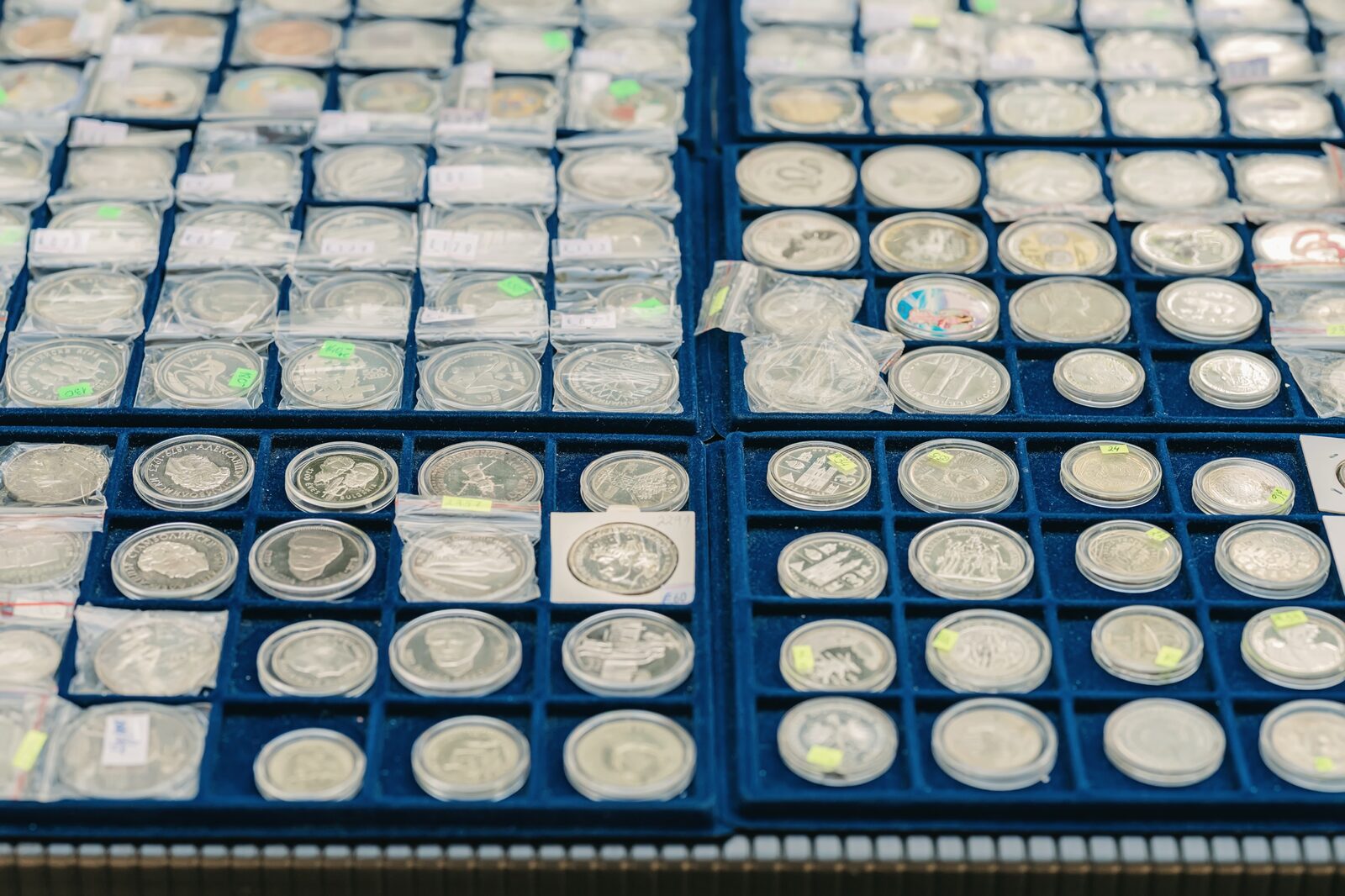
- Fairs. At coin and stamp fairs you see a lot on offer in one place and can compare prices. You see the items in real life and can talk to dealers.
- Auctions. Interesting for special pieces. Watch out for the buyer’s premium (costs on top of your bid) and read the condition description carefully.
- Societies. Many societies let you swap and buy from other members, often at reasonable prices.
- Online marketplaces. You can find all sorts there, but be careful. Fakes, exaggerated descriptions and inflated prices do occur. For expensive pieces, it is better to buy from an established dealer.
You can read how to spot a fake in Real or fake? Simple checks for gold and silver.
Start small
The temptation to buy a lot straight away is strong. Still, it is wise to start small. At first you don’t yet know what a fair price is or how to assess condition. A few cheaper purchases are a lesson that doesn’t cost much. Look at plenty, ask questions and compare prices before you spend a larger amount.
Buy the book or catalogue for your theme before you buy the expensive coin. Knowledge almost always pays for itself.
Tip: Start an overview in AgAurium from your very first purchase. With a photo, the purchase price and the proof of purchase, you will still know exactly what you have and what you paid for it ten years from now. Try AgAurium for free →
Learn the basics
A few topics come up in every collection:
- Condition. What do UNC, XF and VF mean, and why can they make such a difference to the price? See Grading condition.
- Handling. Coins by the edge, stamps with tongs and banknotes with clean, dry hands. See Handling coins and bars without a seal and How to store banknotes without damage.
- Packaging. Capsules, sleeves and albums without PVC. See Capsules, seals, slabs and sleeves explained.
- Never polish. A cleaned coin is almost always worth less.
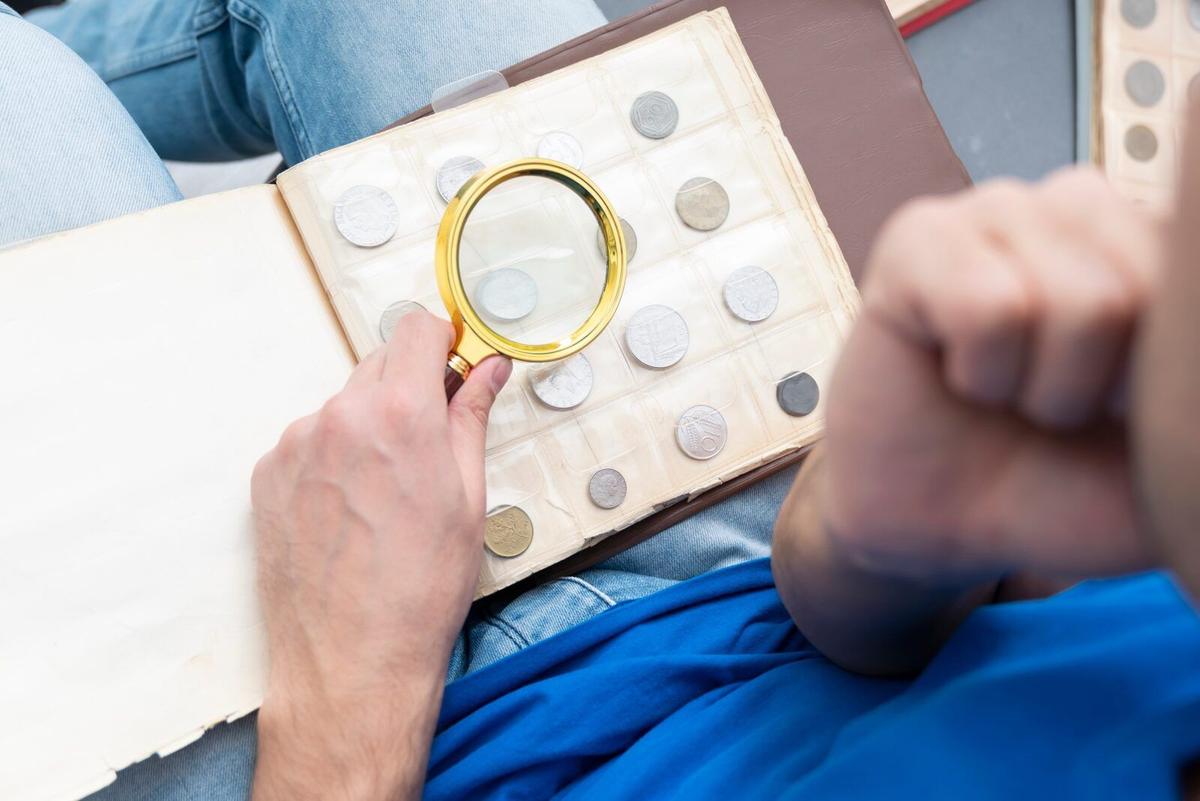
A loupe, a soft surface and the right tongs are enough to get started. You don’t need anything more.
Keep track of what you have from day one
This is the tip many collectors wish they had been given sooner. At first you remember everything. But after a few years you no longer know what you paid for that one coin, where you bought it or which album that stamp is in. When you sell, for your insurance or for your heirs, that information does matter.
So from your very first purchase, write down:
- what it is (name, country, year, metal, weight)
- the condition
- the purchase date, the seller and the price
- a photo of the front and back
- where it is kept
Keep the invoice or till receipt too. You can read why that matters so much in Insuring and documenting your collection.
Find like-minded people
Collecting is more fun together. At a society or collectors’ club in your area you meet people who share your hobby, you can swap items and you learn from experienced collectors. Many societies have a magazine, a swap evening or their own fair. Online forums also answer plenty of questions, from “what coin is this?” to “is this price fair?”.
How AgAurium helps
A good overview starts with your first item. In AgAurium you record coins, bars, banknotes, stamps and jewellery, with photos, condition, purchase price and storage location. For well-known coins, bars, banknotes and stamps, the catalogue fills in many details for you as soon as you choose the name from the list. For gold, silver, platinum and palladium you see the current value and your gain or loss.
You can also store proof of purchase and create an overview with Print or Export. That way your records simply grow along with your collection, without you having to keep a spreadsheet.
AgAurium is free and ad-free. Find it useful? A donation helps keep it free.
Keep track of your collection with AgAurium
Coins, bars, banknotes, stamps and jewellery in one overview, with photos, live metal prices and proofs of purchase. Free, without ads, in English, Dutch and German. Your data stays yours.