
Most collectors know exactly what they have, until something happens. After a burglary or fire, the insurer asks what is missing and what it was worth. That is when you discover how hard it is to reconstruct it all from memory. And when a collector dies, the heirs often don’t even know what is in the cupboard, let alone what it is worth.
A good overview saves a lot of grief. This article shows you what to record, how to check your insurance and how to help those you leave behind.
Step 1: know what your insurance covers
A collection usually falls under your home contents insurance, but often with restrictions. Limits and conditions differ per country and per insurer, so the points below are things to check in your own policy:
- A cap on valuables. Many insurers pay out a maximum amount for collections, art and similar possessions combined. In the Netherlands, according to a comparison by the Dutch consumer association Consumentenbond, that ranges from about €30,000 to €200,000, sometimes with a maximum per item. Some insurers set it lower.
- A lower limit for theft than for fire.
- Cash and precious metals may be covered separately and sometimes only to a limited extent. Check carefully whether bullion gold and silver count as part of a “collection”.
- Away from home, for example at a coin fair or with a valuer, you are often not covered as standard.
- A bank safe deposit box is not always covered by your home contents insurance.
Read your policy terms and call your insurer if anything is unclear. You can often raise the insured amount for a higher premium, or take out separate valuables insurance.
Step 2: have valuable pieces appraised
Without a valuation, the insurer decides the value itself, and that often turns out lower than you expect. A valuation report from a recognised valuer records the value. In the Netherlands, such a report costs a few hundred euros and is usually valid for five or six years. Within that period, the insurer pays out the appraised value. For special coins, jewellery or a large collection, it is well worth it.
Step 3: record everything
Whether or not you have a valuation done, you need evidence. For each item, record:
- What it is: name, country, year, metal, fineness, weight, dimensions.
- Condition: for example proof, UNC or circulated, plus any particulars such as a fold or a spot.
- Photos: front and back, sharp and well lit. Photos show that you really owned the item, and what condition it was in.
- Proof of purchase: the invoice, till receipt or certificate, with date, seller and price.
- Serial number for bars and banknotes.
- Storage location: where the item is kept.
Don’t keep your proofs of purchase on paper only. Thermal paper (like most till receipts) fades after a few years, and in a fire you lose paper too. Take a photo or scan and store it digitally, somewhere other than where the collection itself is kept.
Tip: One invoice for fifteen coins? In AgAurium you upload it once and link it to every item on it. Try AgAurium for free →
Step 4: keep it up to date
An overview from five years ago is only half a help. Update it whenever you buy or sell something. With precious metals, keep an eye on the value now and then too: if the gold price rises sharply, your collection can exceed the insured maximum without you having bought anything new.
Step 5: think of your heirs
It is not a pleasant subject, but it is an important one. When you are no longer around, someone else will have to divide or sell your collection. Without an overview, a valuable coin may at worst be sold for its melt value, or an album of special stamps may end up in the recycling.
- Make an overview that someone with no knowledge of coins or stamps can understand.
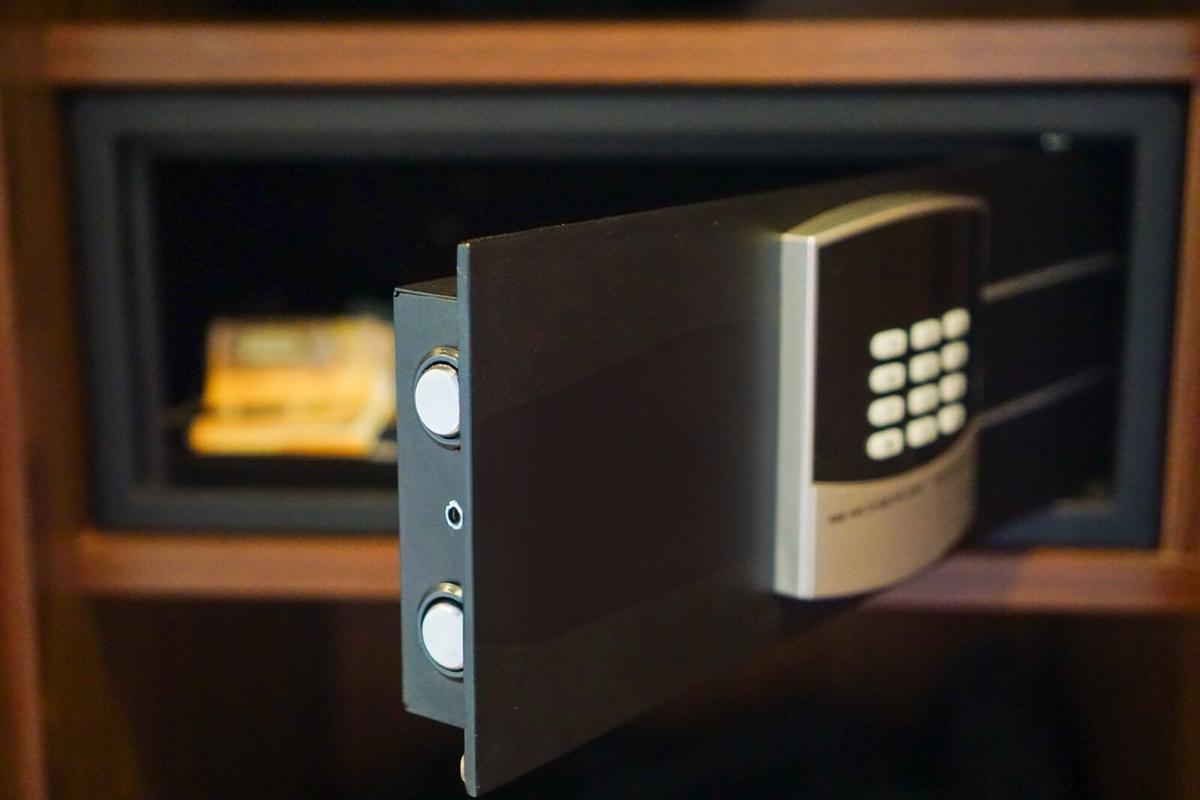
- Tell someone you trust where it is, and where to find the safe and its key or code.
- Note who can help: a dealer, valuer or society you trust.
- Write down your wishes, for example if something should stay in the family. For legal matters such as a will, go to a notary or solicitor.
How AgAurium helps
This is exactly what AgAurium was built for. For each item you record the details, condition, photos of the front and back, the serial number and the storage location. You can now also store proof of purchase: invoices, till receipts or certificates as a PDF or photo. These are kept safely online, separate from your collection at home. They are visible only to you and are never shared, not even when you share a collection with someone.
For precious metals, AgAurium uses the current spot price, so you can always see roughly what your collection is worth. That also tells you in good time whether you are exceeding the limit of your insurance. With Print you create an overview for your insurer, valuer or heirs, with exactly the details you choose. With a share link, someone can view a collection without purchase prices, serial numbers, storage locations or proofs of purchase. And with Export you always have your own copy as a CSV file.
AgAurium is free and ad-free. It keeps going thanks to donations from its users.
Keep track of your collection with AgAurium
Coins, bars, banknotes, stamps and jewellery in one overview, with photos, live metal prices and proofs of purchase. Free, without ads, in English, Dutch and German. Your data stays yours.