

Tools for collectors: what do you really need?
A good loupe, the right tongs and accurate scales: a small toolkit helps you avoid damage and spot more. Here is what you need.
A good loupe, the right tongs and accurate scales: a small toolkit helps you avoid damage and spot more. Here is what you need.
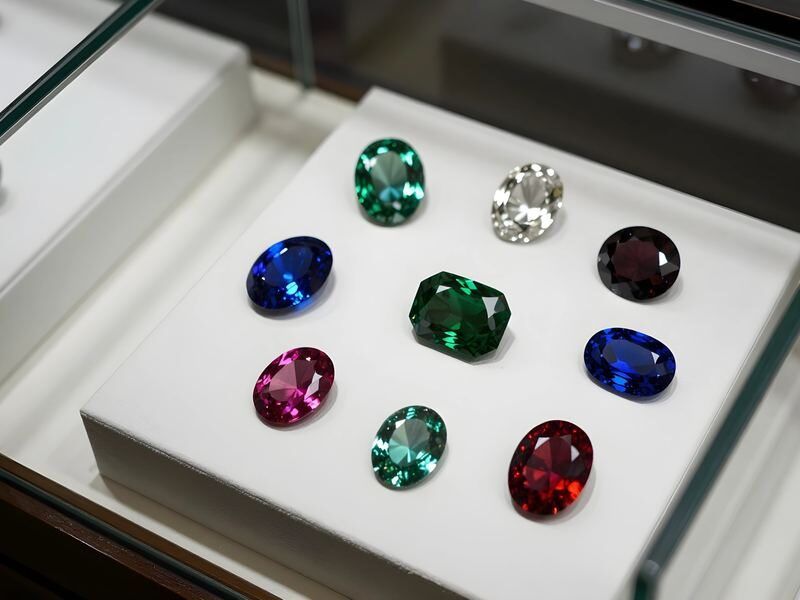
Every gemstone has its own weak spot. One can’t handle heat, another fades in the sun or splits if it takes a knock. Here is how to care for diamond, ruby, emerald, opal, pearls and more, and how to read a certificate.
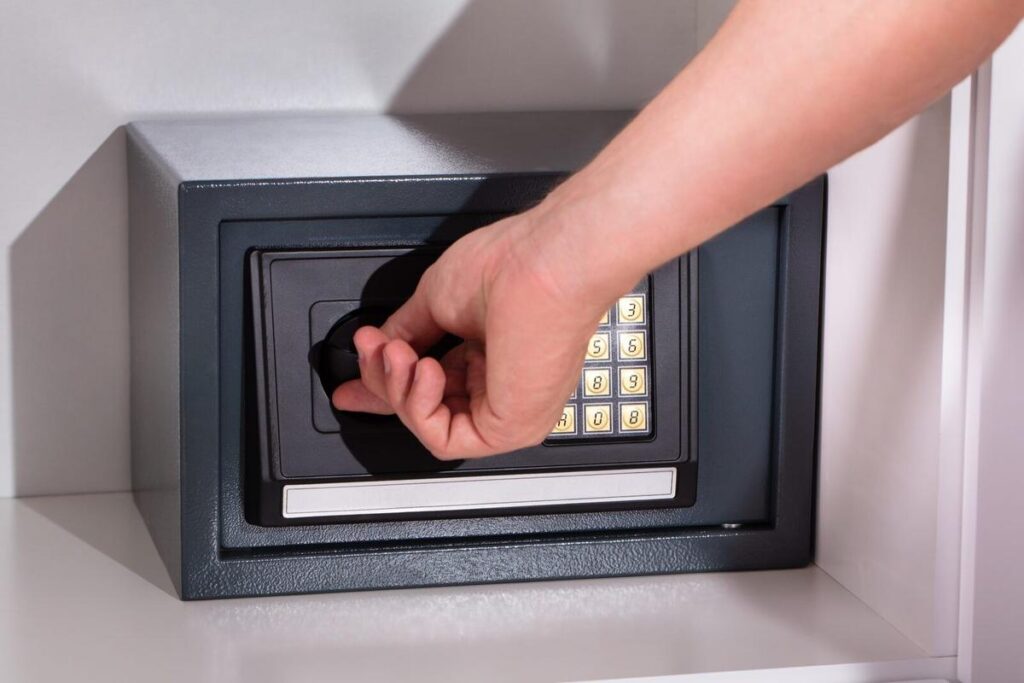
Moisture, light, fluctuating temperatures and the wrong materials do more harm than you might think. Here is how to choose a good spot for coins, banknotes, stamps and jewellery.
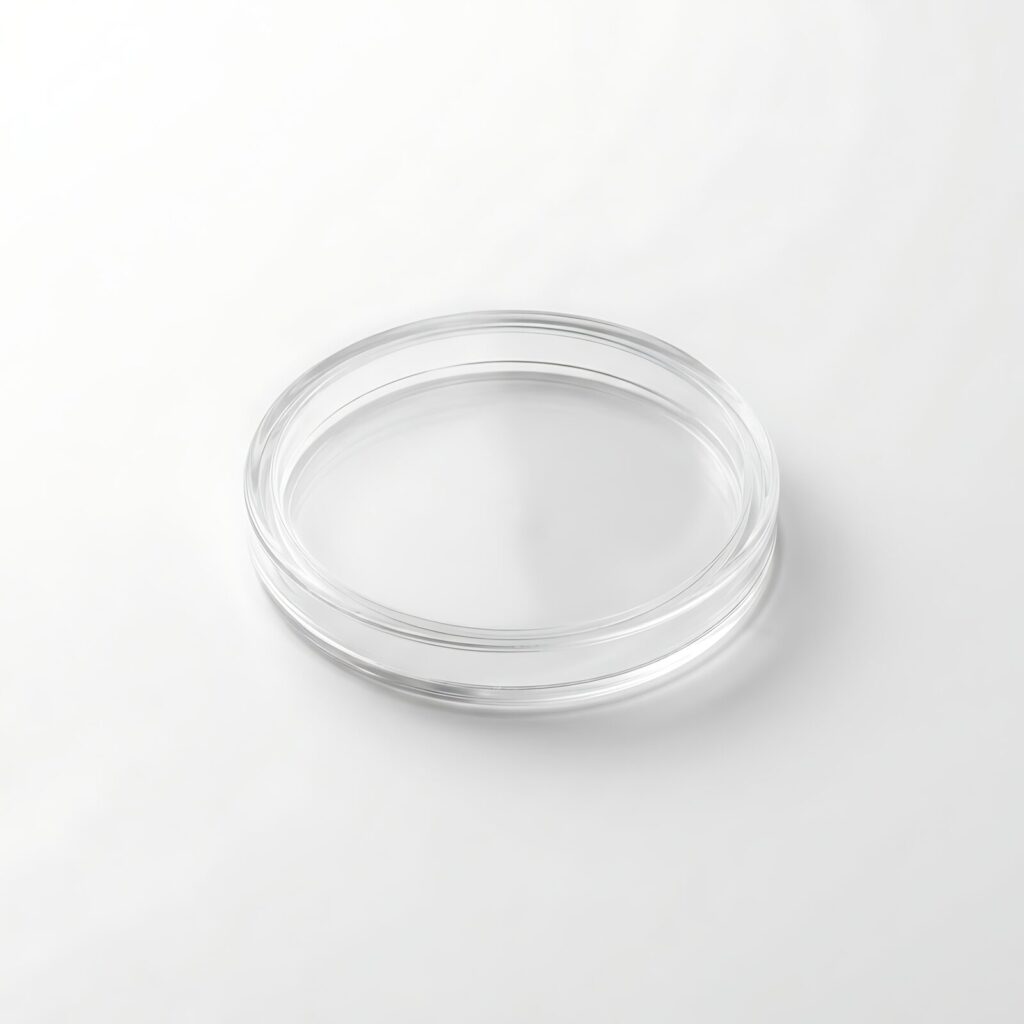
Capsule, seal, slab, 2×2 holder, tube or sleeve: each type of packaging has its own purpose. Here is how to choose the right one for coins, bars, banknotes and stamps.

14 karat, 585, 916 or 999: what does it mean, and how much pure gold or silver is really in your coin, bar or piece of jewellery? With simple worked examples.
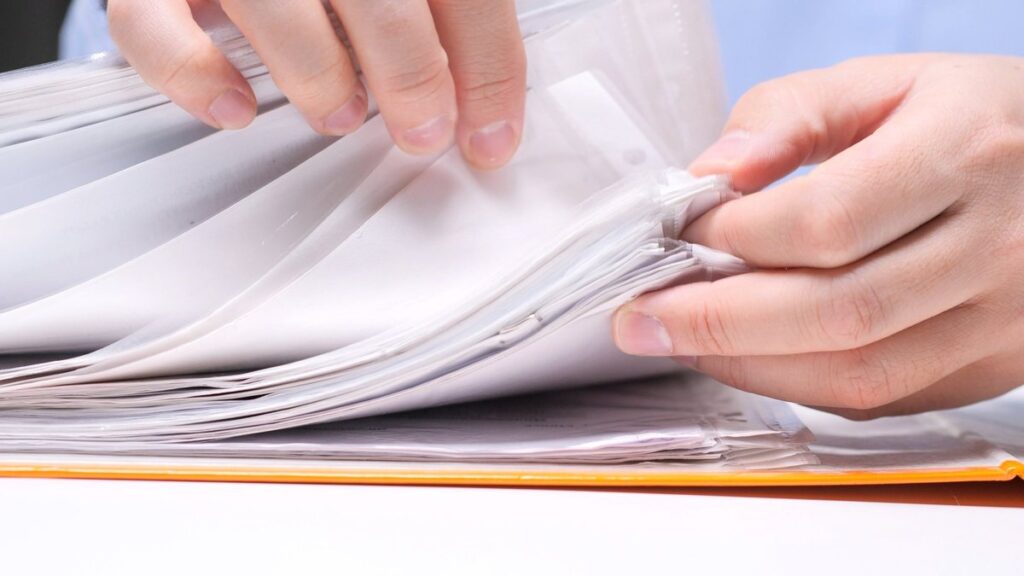
Your coins are usually covered by your contents insurance, but often only up to a limit and only if you can prove what you had. Here is how to read your policy, raise your cover and document your collection.
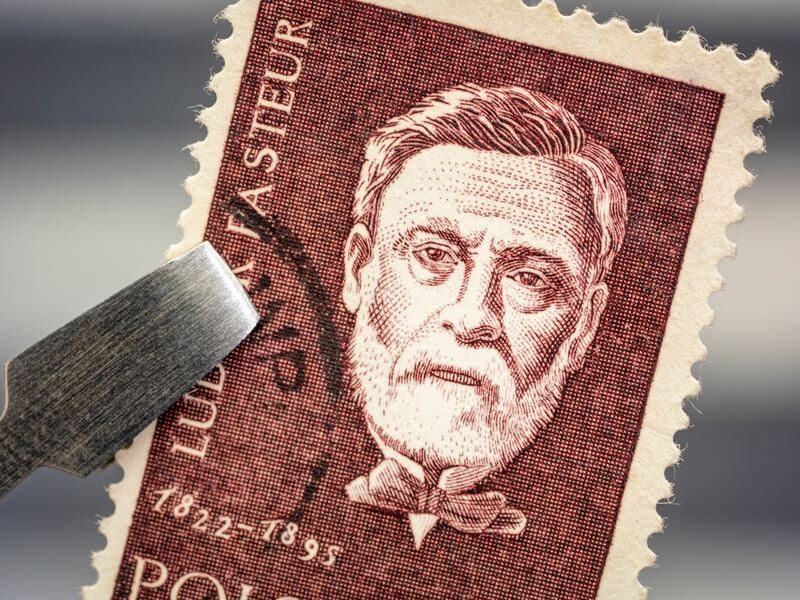
A fingerprint, a hinge or a failed attempt at soaking can cost a stamp much of its value. Here is how to handle stamps, how to store them and what mint never hinged means.
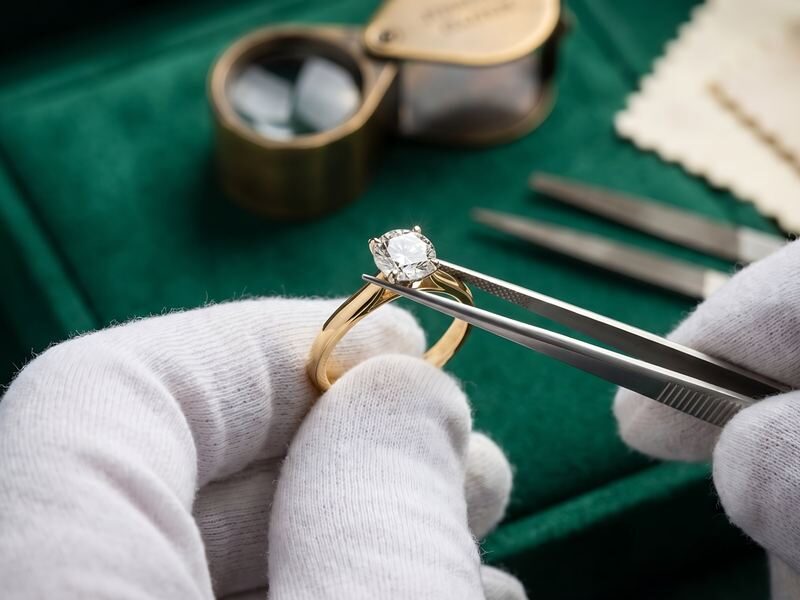
A ring lying loose in a drawer picks up scratches. A silver necklace turns black in a cardboard box. Here is how to store jewellery so it stays beautiful, at home, in a safe and when travelling.
Two coins from the same year can differ hugely in value. The difference lies in their condition. Here is how to read abbreviations such as UNC, XF and VF, and how to assess what you have yourself.
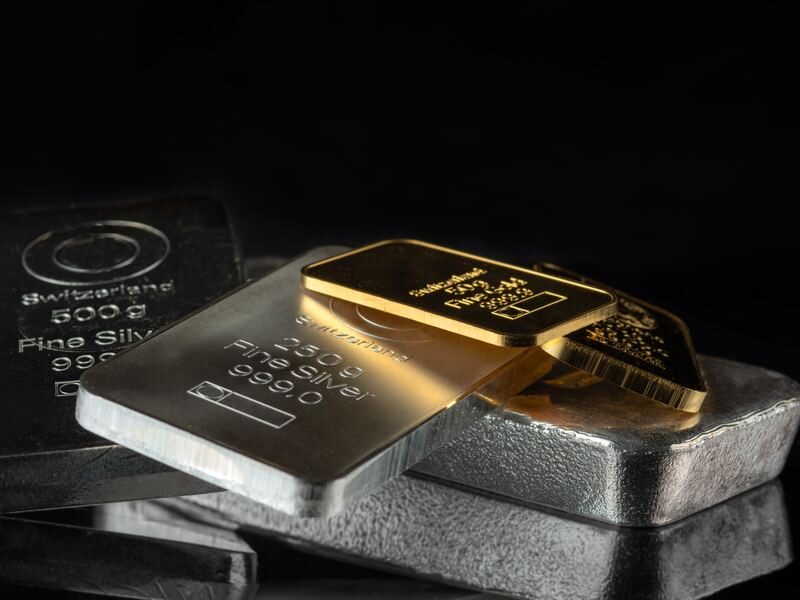
Fake coins and bars look more convincing all the time. With scales, callipers and a few simple tests you can get a long way, without damaging your coin.