
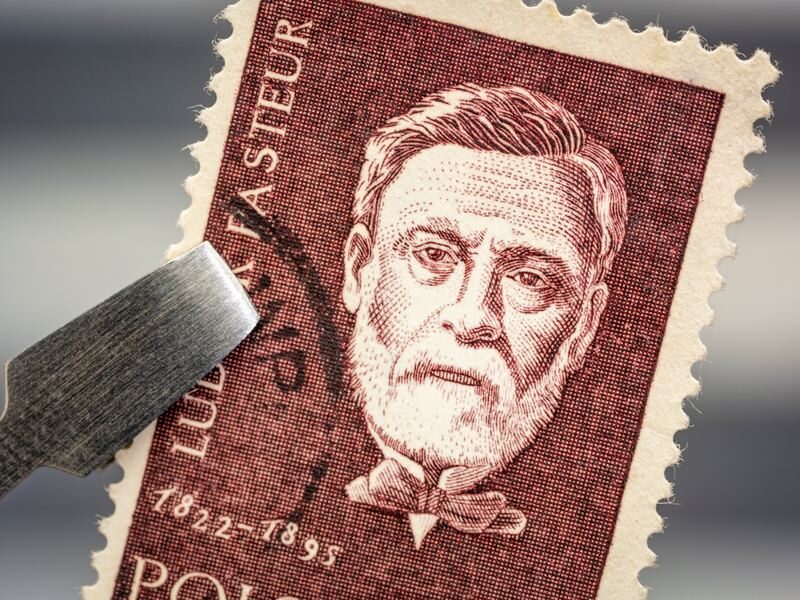
Storing and handling stamps: tongs, albums, hinges and soaking
A fingerprint, a hinge or a failed attempt at soaking can cost a stamp much of its value. Here is how to handle stamps, how to store them and what mint never hinged means.

A fingerprint, a hinge or a failed attempt at soaking can cost a stamp much of its value. Here is how to handle stamps, how to store them and what mint never hinged means.
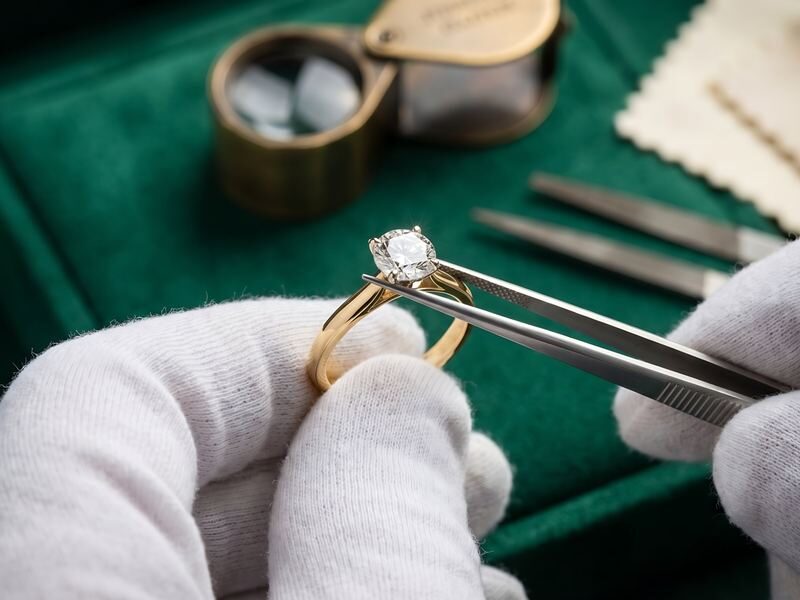
Diamond scratches gold, silver turns black and pearls dry out in plastic. Here is how to store jewellery and gemstones safely, how to clean them and what to leave to a jeweller.
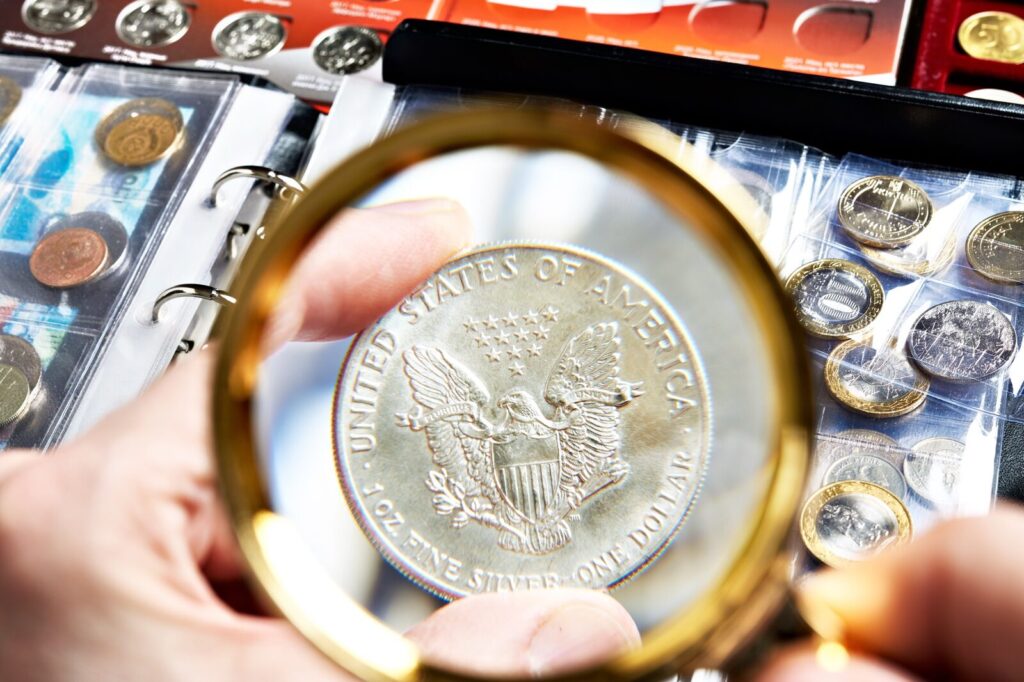
Two coins from the same year can differ hugely in value. The difference lies in their condition. Here is how to read abbreviations such as UNC, XF and VF, and how to assess what you have yourself.
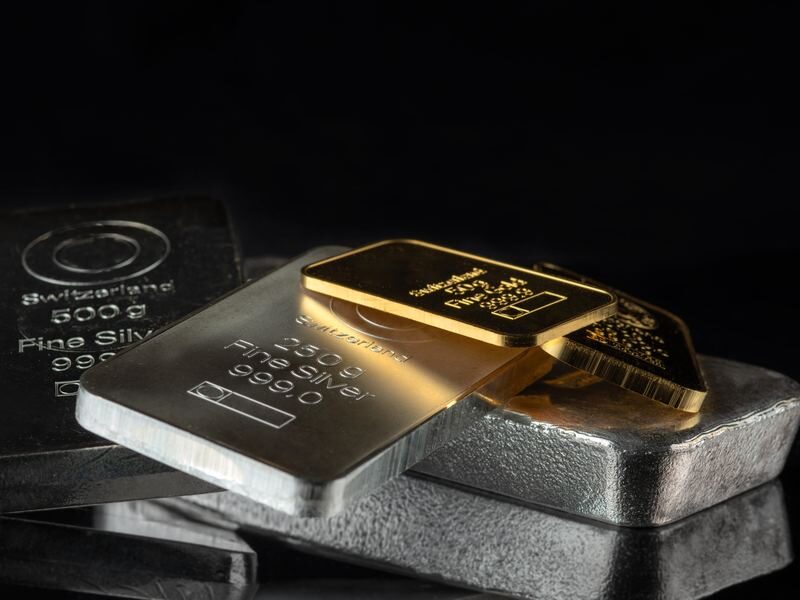
Fake coins and bars look more convincing all the time. With scales, callipers and a few simple tests you can get a long way, without damaging your coin.
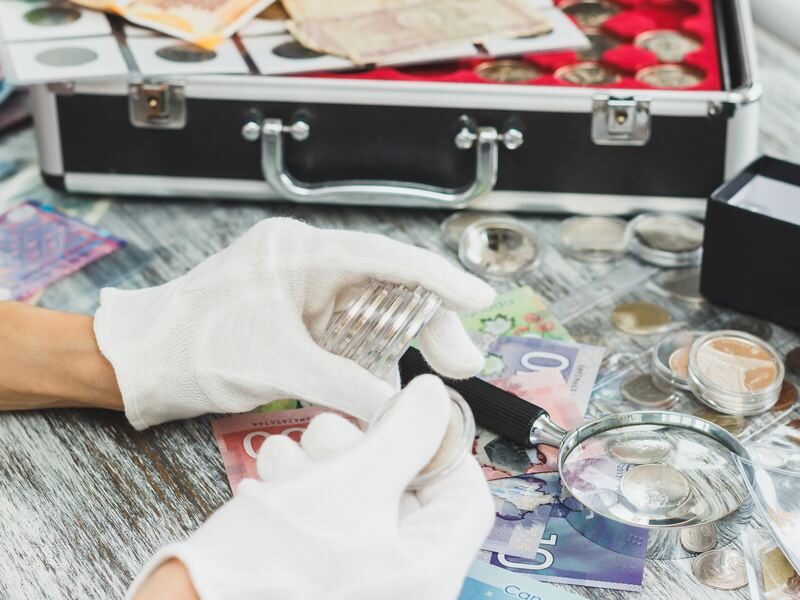
A first coin, an old banknote from your grandfather or an album in the loft: that is often how it starts. With these tips you choose a direction, buy wisely and avoid beginner’s mistakes.
A good loupe, the right tongs and accurate scales: a small toolkit helps you avoid damage and spot more. Here is what you need.
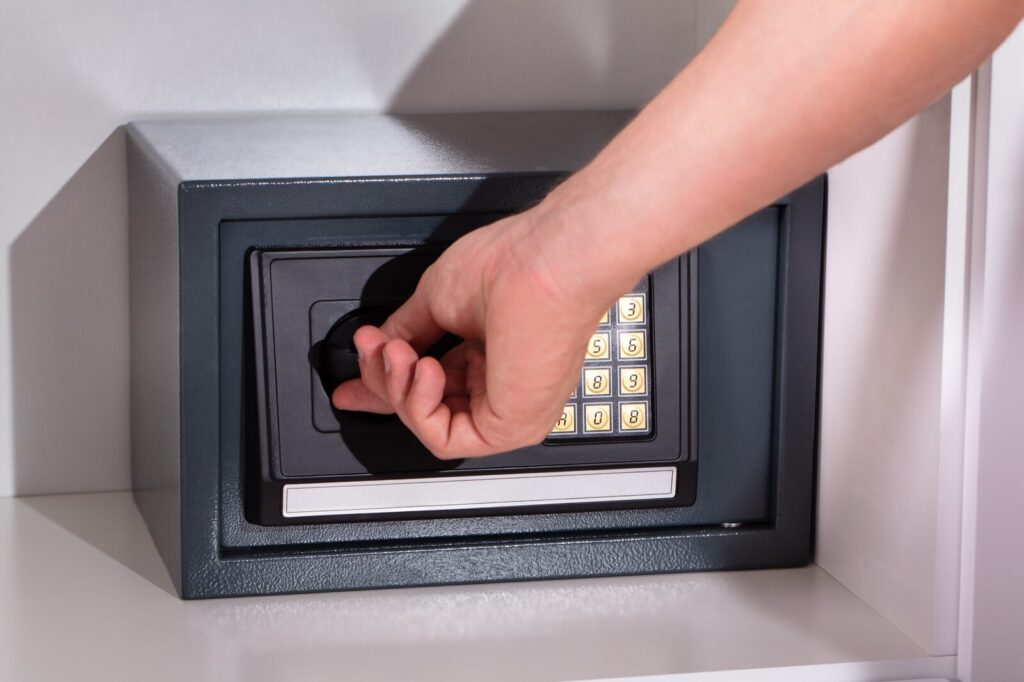
Moisture, light, fluctuating temperatures and the wrong materials do more harm than you might think. Here is how to choose a good spot for coins, banknotes, stamps and jewellery.
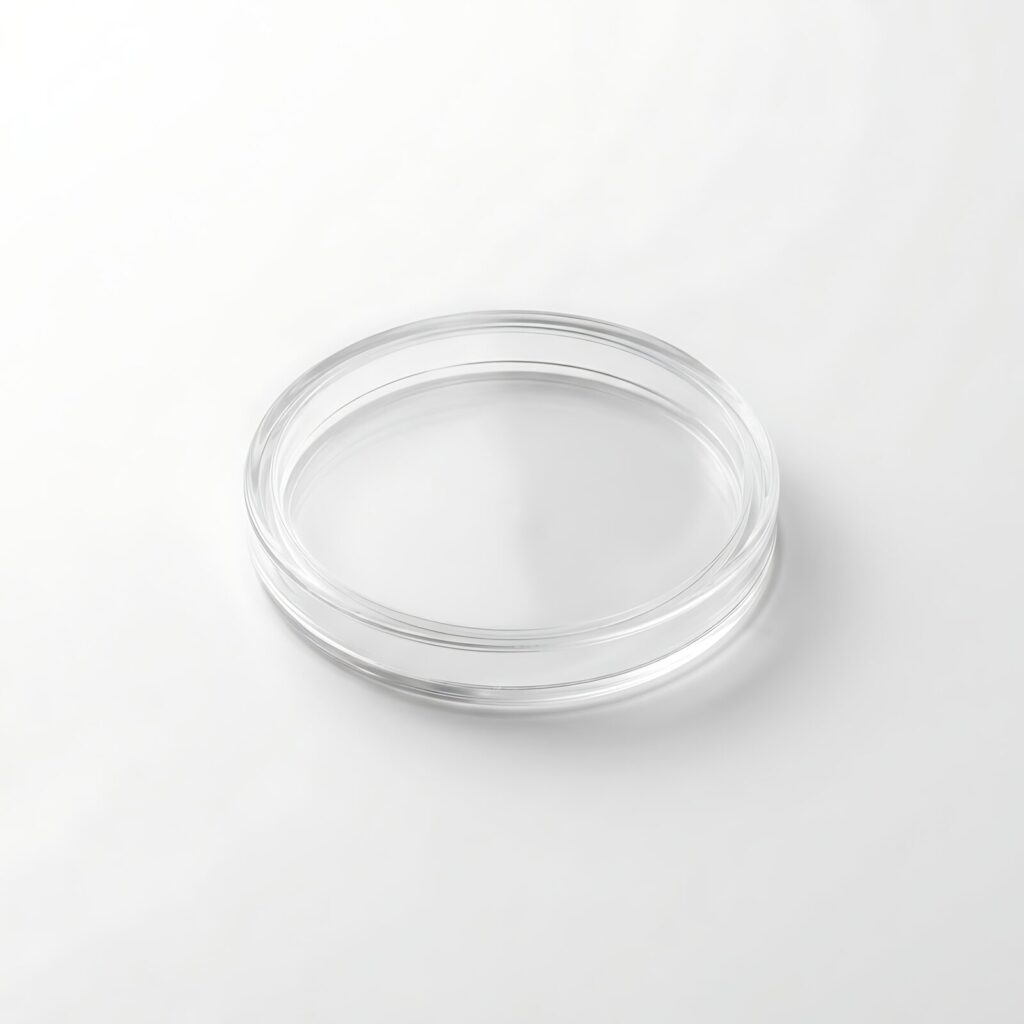
Capsule, seal, slab, 2×2 holder, tube or sleeve: each type of packaging has its own purpose. Here is how to choose the right one for coins, bars, banknotes and stamps.
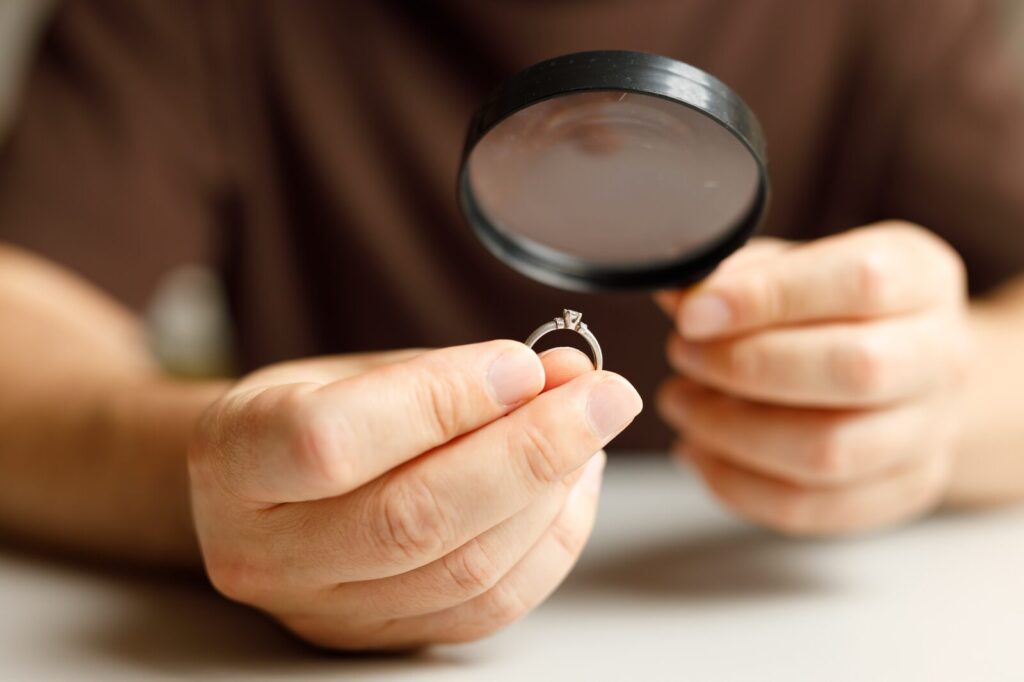
14 karat, 585, 916 or 999: what does it mean, and how much pure gold or silver is really in your coin, bar or piece of jewellery? With simple worked examples.
After a fire or burglary, you need to be able to prove what you had and what it was worth. Here is how to document your collection, check your insurance and make sure your heirs know what there is.